Last updated: October 2026
If you are looking for a help to buy mortgage, here is the straight answer. The equity loan scheme in England closed to new applications on 31 October 2022, so nobody can take out a new one today. What you can do is buy with one of the schemes that came after it or, if you already have the loan, work out the cheapest way to deal with it.
This guide covers both: where Help to Buy still runs, the interest fees from year 6, your options as an existing owner, and what first time buyers can use in 2026. Our advice is fee free for most cases.

Help to Buy was launched in 2013 to help people buy new build homes with a small deposit. You put down 5%, the government lent you up to 20% of the purchase price (40% in London), and a normal mortgage provider covered the other 75%. Because the bank only needed a 75% mortgage, buyers got rates usually kept for people with a 25% deposit.
There was also a separate Help to Buy mortgage guarantee scheme, which ran from 2013 to 2016 and backed 95% mortgages on any home. People mix the two up all the time, and today's government backed 95% mortgages work in a very similar way.
The final version, from April 2021, was limited to first time buyers and had regional price caps, from £186,100 in the North East to £600,000 in London (£437,600 here in the South East).
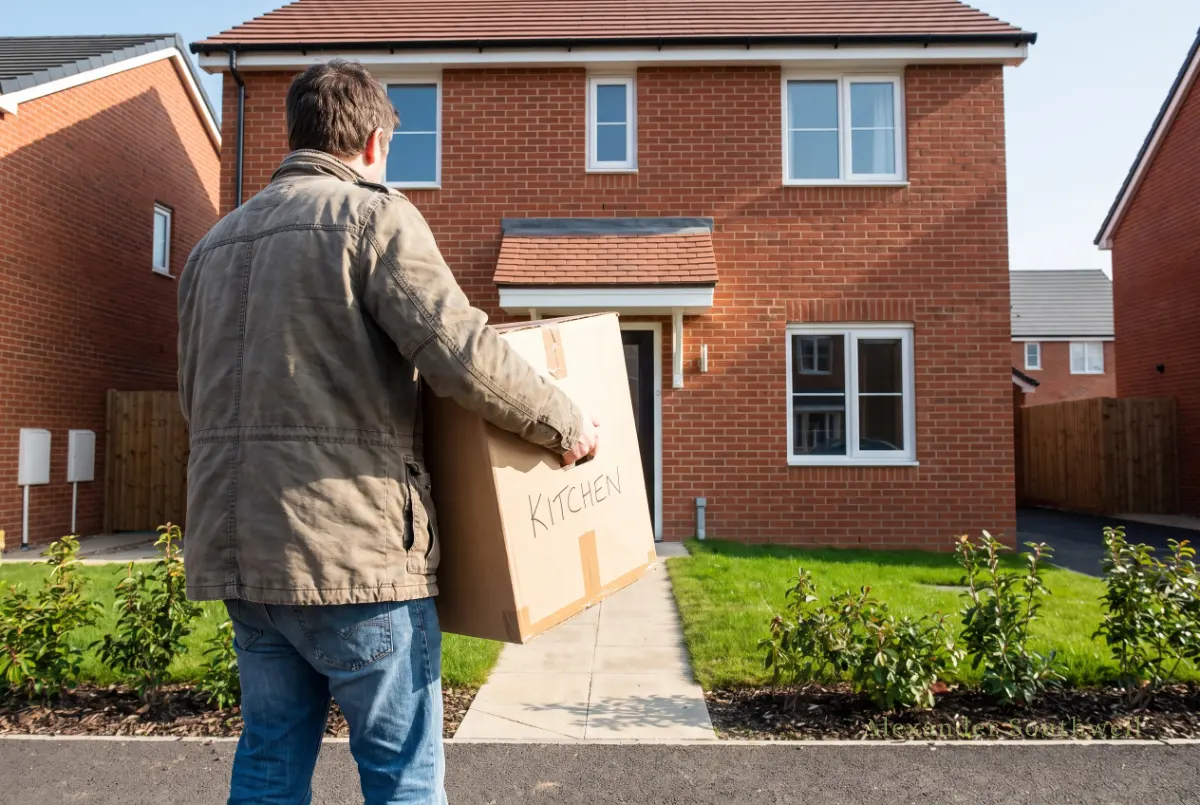
In England, no. Applications closed at 6pm on 31 October 2022, and every purchase had to complete by 31 March 2023. I would be wary of any website that suggests otherwise.
In Scotland the main option now is the LIFT shared equity scheme. If you already hold a Help to Buy ISA, you can keep paying in until November 2029.
If a housebuilder in England offers you something called Help to Buy today, it is likely to be their own deposit contribution, not the government scheme. Read the terms carefully.
This is the bit that trips people up. The government's share is a percentage of your home, not a cash amount. Buy for £250,000 with a 20% equity loan and you borrowed £50,000, but you repay 20% of whatever the home is worth when you pay it back.
Valued at £300,000, you repay £60,000. The government shares in the growth.
Valued at £230,000, you repay £46,000. Plenty of new build homes have not kept pace with house prices in the wider property market, so this happens more than people expect.
You must pay it back when you sell, when you clear your main mortgage, or after 25 years. You can also repay early, in full or in stages. Each time you need a chartered surveyor's valuation, and Help to Buy customer services charge admin fees for changes. There is also a £1 monthly management fee.
The loan is interest free for the first five years. From the start of year 6 you pay interest at 1.75% of the amount you originally borrowed, collected monthly by direct debit.
After that the rate goes up every April: by RPI plus 1% for 2013 to 2021 loans, or CPI plus 2% for the 2021 to 2023 scheme. The increase applies to the rate itself, not as whole percentage points. GOV.UK gives the example of 1.75% rising by 11% to 1.9425%.
A worked example, for illustration only. Sam and Priya bought a new build in Hampshire in 2020 for £280,000: a £14,000 deposit, £56,000 from the government and a £210,000 mortgage. Year 6 arrived in 2025. Their first year of fees is 1.75% of £56,000, so £980, or about £82 a month. If RPI is 4% the next April, the rate rises by 5% to 1.8375%, roughly £1,029 a year. Their home is now worth £320,000, so clearing it would cost £64,000.
Put in your own figures to see what your fees could look like each year, and what it might cost to repay at today's value.
Once year 6 is on the horizon, most people I speak to have five realistic choices. The right one depends on your income, your equity and how long you plan to stay.
Move your main mortgage to a new deal and leave the government's share in place. Not every lender accepts these homes, and you need consent. Our Help to Buy remortgages page covers it.
Borrow enough on a new mortgage to pay off the government completely. You own 100% and the fees stop, as long as your income and affordability support the bigger mortgage.
Repay at least 10% of your home's value at a time, from savings or extra borrowing. Your fees fall in line.
If the fees are manageable and you plan to move soon, this can be cheaper. Just make it a decision, not a default.
Repay the government from the sale and use what is left as your next deposit. Our moving home guide covers the numbers.
We will run each route side by side so you can see the monthly difference first.

A tip from experience: start about six months before your fixed rate ends or year 6 begins. Valuations and consents take time, and these cases are slower than a normal remortgage.
People often call this staircasing, borrowing the term from shared ownership. Officially it is a part repayment, and the smallest one allowed is 10% of your home's market value.
In the example above, a 10% repayment on a £320,000 home costs £32,000. Sam and Priya would own 90%, the government 10%, and their fees would roughly halve.
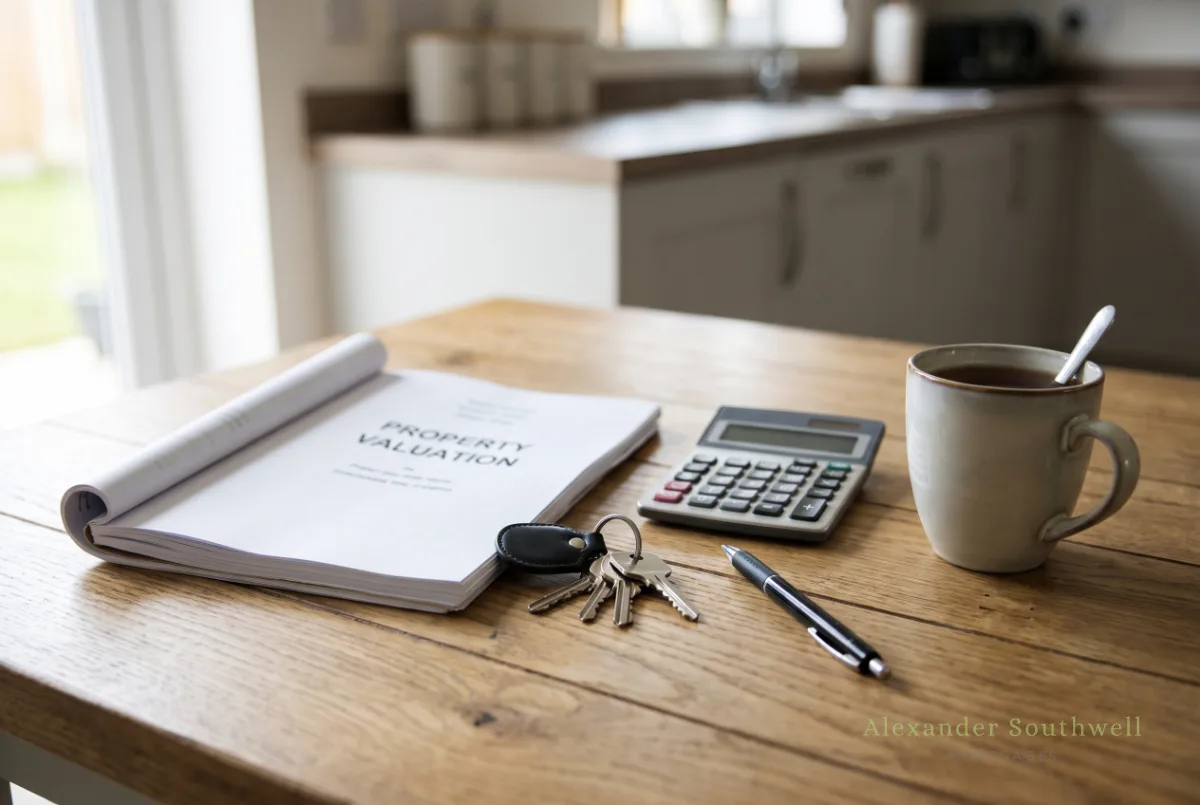
The first step is a valuation. Then you apply through Help to Buy customer services and pay the admin fee. Borrowing more on these homes normally needs approval, and is usually only allowed when the money goes towards the government's share.
When you sell, the government is repaid from the proceeds on completion: your percentage of the market value or the agreed sale price, whichever is higher.
So if your home is valued at £320,000 but you accept £305,000 for a quick sale, you still repay 20% of £320,000. Get a realistic valuation before agreeing a price, and talk to us early if you are buying again.
If you were hoping to use the scheme, there are still ways onto the property ladder with a small deposit. These are the ones I use most in 2026.
The government's mortgage guarantee scheme, made permanent in 2025, backs 95% mortgages for first time buyers and movers on homes up to £600,000. See our guide to 5% deposit mortgages.
New homes sold at 30% to 50% below market value to local first time buyers. Councils no longer have to include them, so availability varies. See our First Homes scheme page.
Buy a share from a housing association and pay rent on the rest, then buy more later. Our shared ownership mortgages page explains it.
Save up to £4,000 a year for a 25% government bonus, on homes up to £450,000. The government plans to replace it with a new first time buyer ISA, so check the rules first.
A gifted deposit, family springboard or joint borrower mortgage can help. Our guarantor mortgages guide compares them.
Builders often offer deposit contributions. Lenders limit these, so check before you reserve. Our new build mortgages page covers it.
Budget for stamp duty too. At the time of writing, first time buyers in England pay none on the first £300,000 of a home up to £500,000. Our stamp duty calculator works out your figure, and the first time buyer mortgages hub covers the rest, from your mortgage in principle to getting the keys.
No. The interest and the £1 management fee are the cost of keeping the loan. Only a repayment reduces what you owe.
Missed payments build up as arrears, which can make a remortgage harder. If money is tight, contact Help to Buy customer services early, and talk to us about whether a remortgage could help.
Yes. You can repay in full, or in stages of at least 10% of the home's value, using your own money. You still need a valuation and will pay the admin fee.
Nothing has been announced for England at the time of writing. The 95% mortgage guarantee scheme, First Homes and shared ownership are the main options.
Some of the lenders we place mortgage applications with


Fee free advice for most clients. We will compare remortgaging, repaying and keeping it, with the monthly figures for each.
Your home may be repossessed if you do not keep up repayments on your mortgage. Alexander Southwell Mortgage Services Ltd is authorised and regulated by the Financial Conduct Authority (FCA no. 1011890).
Speak to one of our advisers about your Help to Buy loan or a first home purchase. We will lay out the options, run the numbers and tell you honestly which route makes sense.