
"Bad credit" covers everything from a few missed payments or a low credit score to defaults, CCJs, debt management plans, IVAs and bankruptcy. Lenders treat each one differently, and none of them is an automatic no. What matters most is how recent the issue was, how serious it was, and how you've managed money since. Whether you need your first mortgage, a remortgage or a buy to let with adverse credit, the market is wider than most people think.
Big banks often rely on automated credit scoring, but specialist lenders use real underwriters who listen to the story behind a blip, such as illness, divorce or redundancy. We check your credit report with you first, then match you to lenders we know will consider your history, avoiding failed applications that damage your score further.
"We will never charge you a penny for our service. We're 100% fee-free mortgage brokers on all mortgages over £100,000."
Recent or serious credit issues typically need a 15-25% deposit, while older or minor issues may be possible with 10% or less. Rates from specialist lenders are usually higher at first, but once your credit file recovers we can often remortgage you onto a mainstream deal.

A bad credit score doesn't disqualify you from getting a mortgage, and no two credit files look the same, so we don't run a one size fits all process. Here's what actually happens when you get in touch, and why our approach improves your chances of a yes.
Before we approach any mortgage lenders, we go through your credit report together. UK lenders check three different credit reference agencies, so a problem can hide on one report and not the others. We recommend Checkmyfile, which shows your Experian, Equifax and TransUnion data in one place. It's the same multi agency report we use ourselves, and it means there are no surprises once your mortgage application is underway. If you only do one thing before speaking to us, make it this.
Every one of the specialist bad credit mortgage lenders has its own rules on adverse credit. One might ignore an older default, another will decline it outright. Our mortgage advisors know these criteria in detail, so we only submit your application to a lender we genuinely expect to say yes. That matters, because every declined application leaves a footprint on your credit file and makes the next one harder. Getting it right first time protects both your credit score and your timeline.
We arrange adverse credit mortgages for people with late payments, defaults, county court judgements, debt management plans, IVAs and bankruptcy. The severity and the date matter more than the label. A CCJ registered four years ago that you've since satisfied is a very different case from one registered last month, and lenders price them differently. Read our guide to the types of credit issues for how lenders treat each one.
A bad credit mortgage usually means higher interest rates and a larger deposit than a clean credit deal, and we'll never pretend otherwise. What we can do is find the best lender available for your credit profile today, then plan your route back. Once your file recovers, we review your options and, when the time is right, remortgage you onto a mainstream mortgage deal. Our costs and rate scenarios guide shows real examples of what borrowers in different situations can expect to pay.
Being self employed with a bad credit history is a combination many banks won't touch, but specialist lenders will. If you can evidence your income, usually with your most recent accounts, we can usually find realistic mortgage options. The same goes for contractors and company directors with an imperfect financial history. Our guides to sole trader mortgages and CIS mortgages explain how lenders work out your income.
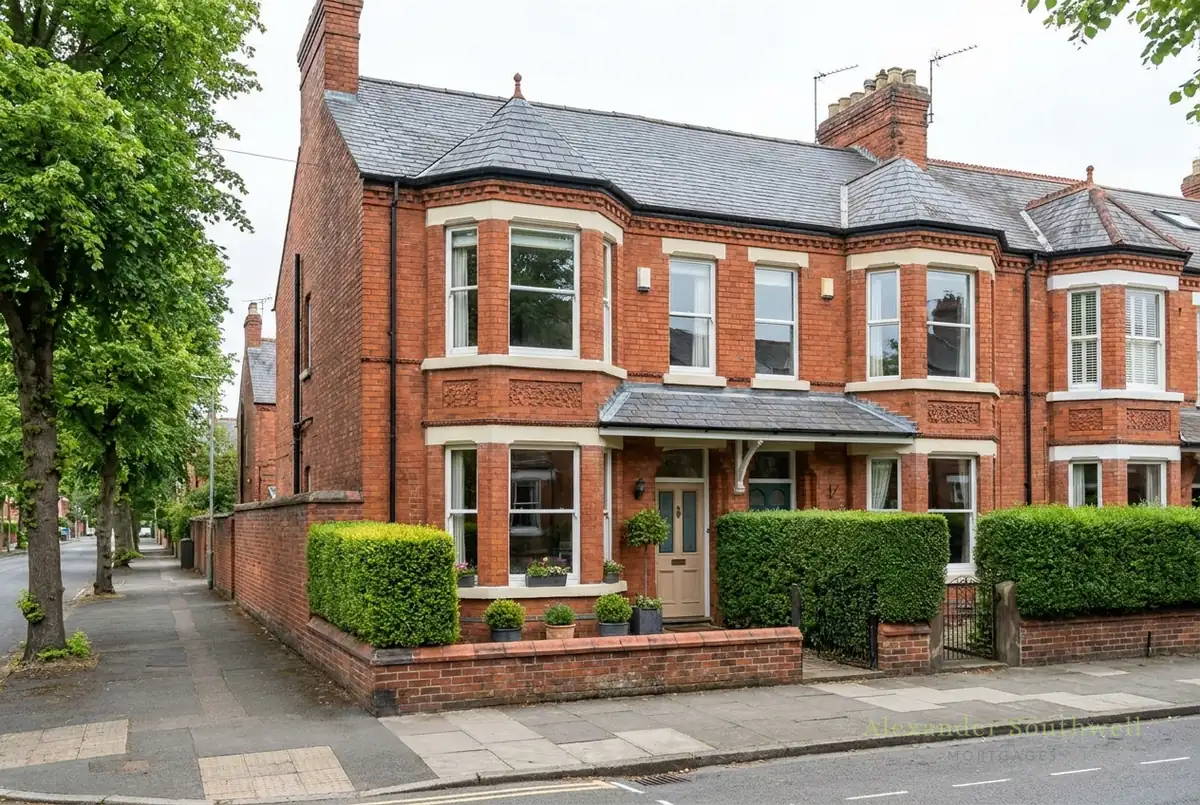
Whether you're a first time buyer who hit money trouble in the past, a homeowner whose credit rating dropped after a difficult patch, or your current provider has said no to a new deal, we can help. We've helped hundreds of borrowers with a poor credit history buy their first home, move house and secure a new mortgage. Getting a mortgage with bad credit is rarely quick, but with the right guidance and a clear understanding of what lenders want, it's very often possible. And because we're regulated by the Financial Conduct Authority, our advice has to be right for your circumstances, not just convenient for us.
Explore each topic in detail, from the types of credit issues lenders see to checking your report and improving your chances.
Missed payments, defaults, CCJs, debt management plans, IVAs and bankruptcy: lenders treat each differently. See how the age, size and type of issue shapes which lenders are realistic for you.
Practical steps to strengthen your application, from building your deposit and registering to vote to tidying up your credit file in the months before you apply.
Lenders use three different credit reference agencies, so checking just one can miss the problem. We recommend a multi-agency report such as checkmyfile before approaching any lender.
The gap between a decline and an approval often comes down to a few months of preparation. A bad credit score isn't fixed, and small changes add up faster than most people expect. These four steps make the biggest difference to your chances of being accepted.
Start with a multi agency credit report from Checkmyfile, covering Experian, Equifax and TransUnion in one report. Check every entry carefully. Mistakes are more common than you'd think, and a wrongly recorded default can be removed if you challenge it with the agency. Knowing exactly what lenders will see puts you in control of the whole mortgage application process.
Get on the electoral roll at your current address, close unused credit accounts, and make sure every payment lands on time from now on. Recent conduct carries real weight with underwriters, and six months of clean payments visibly strengthens your credit profile.
Lenders look at how you handle existing debt, not just past mistakes. Keep card balances below about a third of your limits, avoid payday loans entirely, and don't apply for new credit in the run up to applying. Steady beats clever every time, and it's the fastest way to repair a bad credit rating.
The most expensive mistake we see is applying directly with a high street lender, getting declined, then repeating it elsewhere. Each hard search compounds the problem. Speak to our team first: the initial conversation costs nothing, and our practical guide to improving your chances is a good place to start.
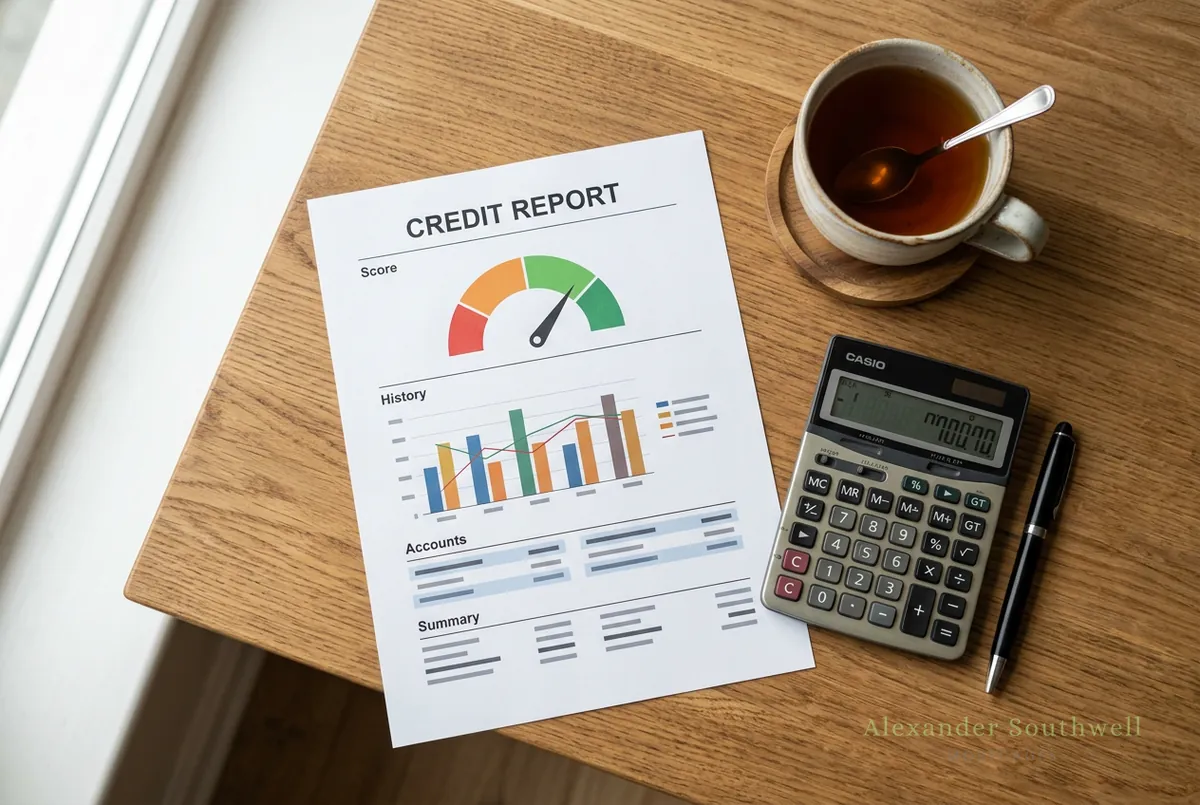
Specialist lenders weigh up the whole picture: the age and severity of your credit issues, your income and outgoings, the size of your deposit and how you've handled money recently. A larger deposit offsets a weaker credit history, and clean conduct over the last year counts for more than most people realise. That's why two borrowers with the same credit score can get completely different mortgage offers. Understanding these factors before applying, rather than after a refusal, is what a good broker brings to the table.
Adverse credit isn't one thing, and the route to getting approved looks different for individuals with a default than it does after bankruptcy. That's why we've written a plain English guide for each situation. Find yours below, read what lenders want to see, and get a feel for your chances before you speak to us. If you'd rather start with the basics, our guide to improving your credit score for a mortgage is a good first read.

A default doesn't have to mean a decline. Lenders assess the age, the size and whether it's satisfied, and plenty will still work with you. We explain how defaults affect your access to a mortgage deal, and what individuals with recent ones can realistically expect.

County court judgements worry people more than almost anything else on a credit file, but the date registered matters more than the CCJ itself. Read how lenders assess CCJs, when they can be ignored, and how to get a mortgage with one.

An IVA is serious, but it isn't permanent. Whether yours is active, completed or recently settled changes which lenders will consider you. Our guide walks through getting approved after an IVA, step by step.

Getting a mortgage after bankruptcy is possible sooner than most individuals think, sometimes from one year after discharge. We cover the deposits, the interest rates and the professional advice that makes approval realistic.

There's no single credit score in the UK, and a low credit score with one agency doesn't always mean a bad credit score with a lender. Understand how scoring really works and what actually affects your mortgage chances.

What does a bad credit mortgage actually cost? Real rate scenarios by credit type and deposit size, so you can see the numbers lenders work with before you commit to anything.
.webp)