Every one of the first time buyer government schemes has its own eligibility criteria, its own price caps and its own quirks when it comes to getting a mortgage. Below is the detail we go through with clients, scheme by scheme, so you can see which ones are realistic for your household income, your deposit and the area you want to live in. Figures are correct at the time of writing (September 2026) and do change, so treat them as a guide and ask us to check before you rely on one.
Shared Ownership: the fine print
You buy an initial share of a new build or resale home from a housing association and pay a subsidised rent on the rest. On newer homes the minimum share can be as low as 10%, on older leases it is usually 25%, and the maximum is 75%. To qualify your household income must be under £80,000 outside London or £90,000 in London, you must not own another home, and you need to show you could not afford a suitable home on the open market. Rent is typically around 2.75% of the unsold share each year and rises annually, and you pay the service charges for the whole property, not just your share. A larger deposit helps, but most lenders will accept 5% to 10% of the share you are buying.
Staircasing to full ownership
Buying more shares later is called staircasing. On the newer model you can buy in 1% steps for the first 15 years at a price linked to the original valuation, or larger chunks based on a fresh market value at the time. Each step reduces your rent and increases your mortgage, and at 100% you own the property outright and the rent stops. Selling before you reach 100% usually means the housing association gets a nomination period, often eight weeks, to find a buyer before you can list it on the open market. Our shared ownership mortgages page covers the lenders who are comfortable with this.
First Homes scheme: a permanent discount
The First Homes scheme sells selected new build homes to first time buyers at a discount of at least 30% off the market value, and some councils set 40% or 50%. After the discount the price has to be under £250,000 (£420,000 in London), your household income must be under £80,000 (£90,000 in London), and you need a mortgage for at least half of the discounted price. Councils can add local eligibility criteria, such as a local connection or priority for key workers and armed forces personnel. The First Homes discount stays with the property forever, so when you sell, the next buyer gets the same percentage off. Homes are limited, so we help clients register interest early.
The mortgage guarantee scheme and 95% mortgages
The government's mortgage guarantee scheme does not give you money. It gives lenders a guarantee on the top slice of a 95% mortgage, which is why more of them are prepared to lend to buyers with a 5% deposit. You still pass the lender's own affordability and credit checks, and you pay a normal repayment mortgage at the lender's 95% rate. If you have saved 5% and a steady income, this is often the simplest route to your first home. See our 5% deposit mortgages page for the detail and a borrowing calculator.
Lifetime ISA: a 25% government bonus on your deposit
Open one between 18 and 39 and you can save up to £4,000 a year, with the government adding a 25% bonus, so up to £1,000 a year. The money can go towards a first home costing up to £450,000 anywhere in the UK, provided the account has been open for 12 months, you have never owned a property before, and your solicitor makes the withdrawal. Withdraw money for anything other than a first home or retirement and a 25% withdrawal charge applies, which claws back the bonus and a little more. Couples can each have one, so a joint income household can pick up £2,000 of bonus a year.
Right to Buy and Help to Buy: where they stand now
Right to Buy lets eligible council tenants in England buy their home at a discount, although the maximum discounts were cut sharply in late 2024 and the qualifying period lengthened, so check the current figures with your council. The Help to Buy equity loan closed to new applications in 2022. If you bought with one, interest starts in year six and the loan is a percentage of the property's value when you repay it, so many owners now remortgage to clear it. Our Right to Buy and Help to Buy remortgage pages go deeper.
Scheme
Who it suits
Key limits
Shared Ownership
Buyers who cannot afford a full mortgage yet
Income under £80,000 (£90,000 London); 10% to 75% initial share
First Homes
Local first time buyers and key workers
30% to 50% discount; £250,000 cap (£420,000 London) after discount
Mortgage guarantee scheme
Anyone with a 5% deposit and good affordability
95% mortgage; lender's own criteria apply
Lifetime ISA
Savers aged 18 to 39 planning ahead
£4,000 a year saved, 25% bonus; home up to £450,000
Right to Buy
Eligible council tenants
Discount depends on region and tenancy length
Deposit Unlock and developer schemes
New build buyers with 5% deposit
Selected developers and lenders only
Scheme rules are set by government and housing providers and change without much notice. We check the live criteria for every client before recommending a route.

Scotland, Wales and Northern Ireland
The schemes above are largely English. The Scottish Government runs the Low Cost Initiative for First Time Buyers (LIFT), a shared equity scheme where the government takes a stake in the home in return for lowering the amount you borrow. In Wales, Help to Buy Wales still offers a shared equity loan on new build homes, and Wales has its own Land Transaction Tax with no first time buyer relief. In Northern Ireland, Co-Ownership lets you buy between 50% and 90% of a home and rent the rest. If you are buying across a border, tell us early, because lender choice and taxes both change.
Are you actually a first time buyer?
Most schemes and stamp duty relief use the same test: you have never owned a property or a share of one, anywhere in the world, and neither has anyone buying with you. If you inherited a share of a house, owned a flat abroad or bought with an ex years ago, you may not qualify even though it feels like your first purchase. Married couples and civil partners are usually assessed together. We check this before anything is submitted, because finding out at the solicitor stage is expensive.
What a scheme means for your mortgage
Not every lender supports every scheme. Shared Ownership and First Homes both have a smaller panel of lenders, often with slightly higher rates, and the lender has to be happy with the lease, the discount covenant or the housing association's terms. Monthly payments can also be more than people expect once rent and service charges are added to the mortgage. We model the full monthly cost, not just the mortgage, so you can compare a scheme purchase with buying a cheaper home on the open market.
What the lender is really checking
Three things: can you afford it, will you pay it back, and is the property good security. Affordability is your income against your outgoings, stress tested at a higher rate than you will actually pay. Your credit file shows how you have handled borrowing before, so being on the electoral roll and avoiding new credit in the months before you apply both help. The deposit has to be traceable, and a gifted deposit from family needs a signed letter confirming it is a gift, not a loan.
Soft search or hard search?
Most Agreements in Principle now use a soft credit search that other lenders cannot see, so getting one does not damage your score. The full application is a hard search. If you apply to several lenders directly in a short space of time, that string of hard searches can count against you, which is one of the practical reasons to let a broker place the application once, with the right lender.
Applying through a scheme
Scheme purchases add a layer. For Shared Ownership the housing association runs its own affordability assessment and has to approve you before the mortgage application starts. For First Homes the council confirms your eligibility and the discount is written into the title. Both add a few weeks, so we get the paperwork moving on day one and run the mortgage alongside rather than afterwards.
What slows applications down
The usual delays are missing documents, unexplained deposits or transfers on bank statements, a down valuation where the surveyor thinks the price is too high, and a slow chain. If a new build is not finished, the mortgage offer may expire before completion and need extending, which is why offer validity matters when we choose a lender. Get the documents on our first time buyer mortgages page ready before you start viewing and you remove most of the friction.
A realistic example
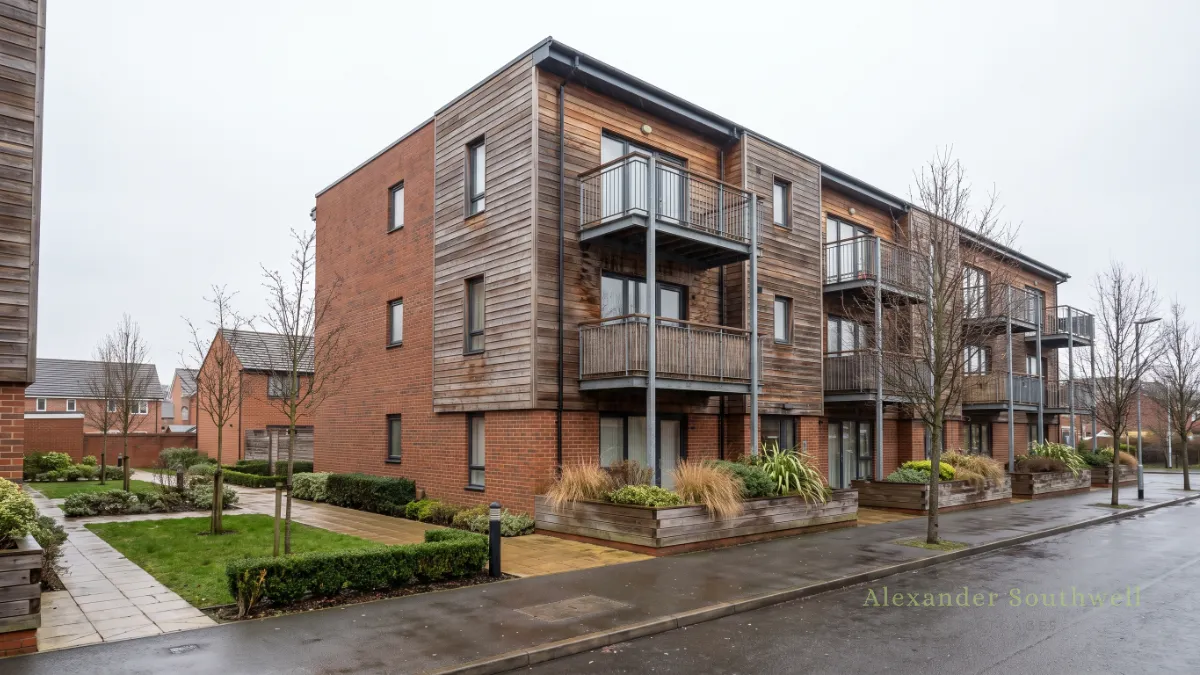
Take a couple in Hampshire with a joint income of £52,000 and £12,000 saved. On the open market a 95% mortgage might stretch to a home around £230,000. Through Shared Ownership a 40% share of a £300,000 new build is £120,000, needing a £6,000 deposit and a £114,000 mortgage, plus rent on the remaining £180,000 of roughly £412 a month and a service charge. Through First Homes, a £300,000 home with a 30% discount costs £210,000, well inside both the price cap and their budget, if one is available where they want to live. None of these is automatically better; the right answer depends on the homes actually for sale and how long they plan to stay.
Your home may be repossessed if you do not keep up repayments on your mortgage. Scheme figures are for illustration only and eligibility is decided by the scheme provider.