People arrive at this page for two reasons. Either a lender has just turned them down and they want to know why, or they are planning ahead and want to check their credit before a mortgage application. This is the guide I give to both. It is written from the mortgage side of the desk, so it focuses on what actually matters to lenders rather than on chasing a number.
What Checkmyfile actually is
Checkmyfile is a UK credit report service that pulls the information held on you by Experian, Equifax and TransUnion into one place. Those are the three main credit reference agencies that lenders use, and Checkmyfile is the only service that shows all three side by side. New customers get free access for a trial period (7 days at the time of writing), after which a checkmyfile account costs £14.99 on a monthly basis. You can cancel at any point, including during the free trial, and you keep the PDF you have downloaded.
Looking at your own report is a soft credit search. It is not visible to lenders and it does not touch your credit scores. The report is refreshed each month, so you can track a better credit score building as you clear balances and time passes.
Why one credit report is never enough
The three agencies hold slightly different information about you because not every lender reports to all of them. A default might sit on your Equifax file and be missing from Experian altogether. Mortgage lenders each use one, two or all three agencies, so a report from a single agency can look clean while the file a lender actually pulls does not. That is how people get declined after being told their credit rating is good. Checking all three agencies removes the guesswork, which is why we will not place a bad credit case on a single agency report.
What is in the report
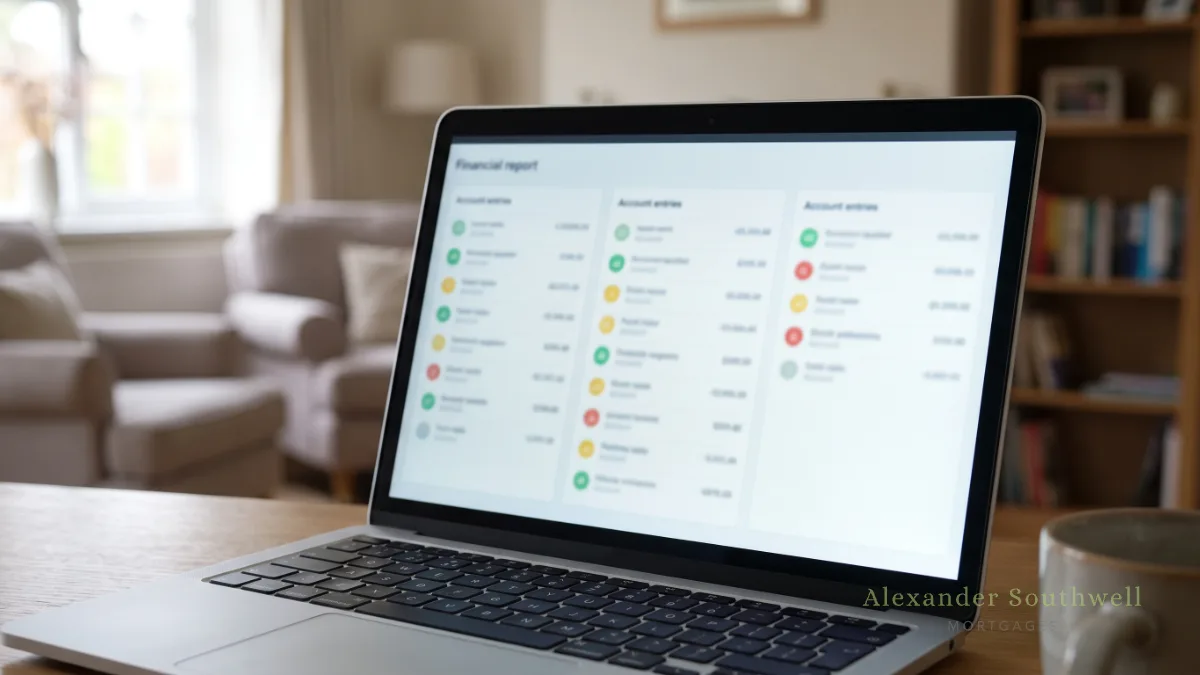
Your personal details and address history, including whether you are on the electoral roll at your current address. Your financial associations, meaning anyone you are financially linked to through a joint account or joint mortgage. Every credit account, with its credit limits, balance and six years of payment history showing any late payments or defaults. Searches, both soft searches and hard ones. Public records such as CCJs, IVAs and bankruptcy. Any notice of correction you have added. Lenders use all of this, not just the score.
Checkmyfile vs the free credit report options
You do not have to pay to see your credit information. Every agency has to give you a statutory credit report free of charge, and each one has a free app or partner. The trade off is that the free routes show one agency at a time.
Service
Agencies covered
Cost
Best for
Checkmyfile
Experian, Equifax and TransUnion in one report
Free trial, then £14.99 a month
Anyone preparing for a mortgage who wants all the information in one place
Experian app
Experian only
Free (paid tier available)
Watching your Experian score and getting alerts
ClearScore
Equifax only
Free
Seeing the Equifax view lenders get
Credit Karma
TransUnion only
Free
Seeing the TransUnion view
Statutory credit report
One agency per request
Free by law
A basic copy of the data with no score
If you have the patience, the free credit route works: sign up to all three and compare them yourself. Most of our clients would rather pay for one month, download a single PDF and get on with it.
How to read it like a mortgage advisor
We read a report in a set order. First the last 24 months of payment history on every account, because that is the window most lenders care about. Then the detailed information on any default or CCJ: the date it was registered, the amount, and whether it shows as satisfied on each agency. Then total unsecured balances against your credit limits. Then the number of credit applications in the last 12 months. Finally the address and electoral roll data, because a mismatch with your application is one of the most common reasons a case gets referred.
Fixing errors and suspicious activity
If something is wrong, raise a dispute with the agency holding the entry. They have 28 days to investigate and either correct it or explain why not. You can also add a notice of correction of up to 200 words to any entry that is accurate but has a story behind it, such as a missed payment during a bereavement. If you spot a credit account or search you do not recognise, treat it as possible identity theft: contact the lender, tell the agency, and consider Cifas protective registration. What you should never do is pay a firm to remove accurate information. It cannot be done, and the good lenders know it.
The timeline that works before you apply
When
What to do
Why it matters
6 months out
Get your Checkmyfile report, dispute any errors, register to vote at your current address, stop applying for new credit
Disputes take time, and every application leaves a footprint
3 months out
Bring card balances under 30 percent of their limits, set up direct debits so nothing is paid late, close store cards you do not use
Recent conduct carries the most weight with lenders
6 weeks out
Send us the report, gather payslips and bank statements, settle small defaults if we tell you it will help
We can match you to the lenders most likely to accept your file
Application
A soft search agreement in principle with the right lender first, then the full application
One hard search at the right lender, not several at the wrong ones
What lenders actually do with the information
Lenders do not see your Checkmyfile score or your Experian score. They take the raw information held on your file, run it through their own scorecard and apply their own lending criteria. One lender might ignore any default older than three years, another might want 12 clean months since the last late payment, and a specialist might accept a CCJ registered last year. That is why the same credit history can be declined by one high street bank and approved by another lender the same week. Knowing exactly what sits on all three files is how we pick the right one first. Our bad credit mortgage broker page explains how we place these cases.
How we use it at Alexander Southwell
Every client with credit issues is asked for their Checkmyfile PDF before we run anything. We go through it together, agree what needs fixing and what does not, then run a soft search agreement in principle with the lender we think is most likely to accept you. Our advice is fee free and whole of market, and it works the same way whether you are a first time buyer, moving home or looking at a remortgage with a few marks on your file. Expert help at this stage saves a lot of wasted applications later.
Checkmyfile: the questions we get asked most
Is Check My File UK free?
There is a free trial for new customers (currently 7 days), then it costs £14.99 a month. Download your report during the trial and cancel if you do not want to keep paying. You will not lose the PDF.
Does checking my credit report hurt my score?
No. Checking your own file is a soft search. It is invisible to lenders and has no effect on your credit scores. Only applications for credit leave a hard footprint.
Which credit reference agencies does Checkmyfile cover?
Experian, Equifax and TransUnion, the three agencies UK mortgage lenders use. You see each agency's data side by side so differences between them stand out straight away.
Why are my three credit scores different?
Each agency uses a different scale (Experian 0 to 999, Equifax 0 to 1,000, TransUnion 0 to 710) and may hold slightly different information. Lenders do not use these scores anyway, so focus on the data rather than the number.
Can I still get a mortgage with a poor credit score?
Often, yes. Specialist lenders look at what happened, when, and how you have managed money since. A bigger deposit and a clean recent history help. We place cases with defaults, CCJs and late payments regularly, and the report is where that conversation starts.
How do I cancel Checkmyfile?
Log in to your checkmyfile account and cancel from the account settings, or contact their support team. If you cancel inside the trial you pay nothing. Keep a copy of your report first.
JA
Written by Jamie Alexander, CeMAP
Jamie is the founder of Alexander Southwell Mortgage Services in Romsey, Hampshire, with 15 years in residential and buy to let lending. He and the team ask for a Checkmyfile report on every adverse credit case they take on, and this page reflects how those reports are actually read and used. Reviewed September 2026.
Your home may be repossessed if you do not keep up repayments on your mortgage. Checkmyfile pricing and trial length are correct at the time of writing and may change. The Checkmyfile links on this page are partner links: if you sign up through them we may receive a small payment from Checkmyfile. It does not change the price you pay, and we recommend the report because it is the one we use, not because of the payment.